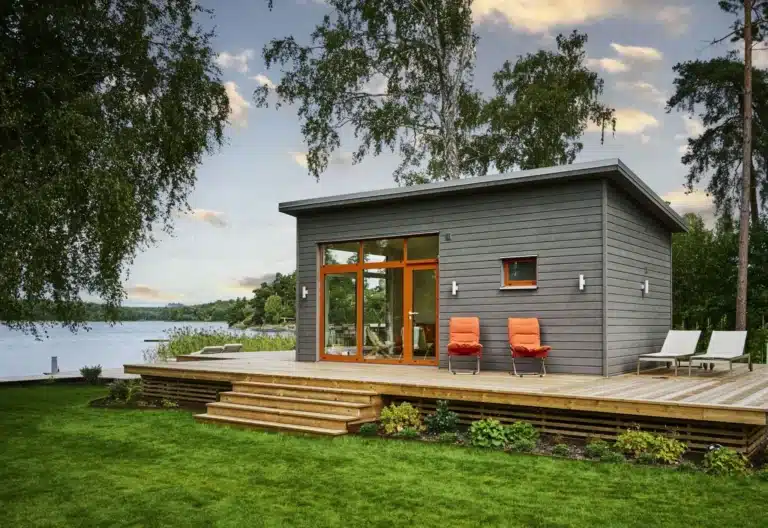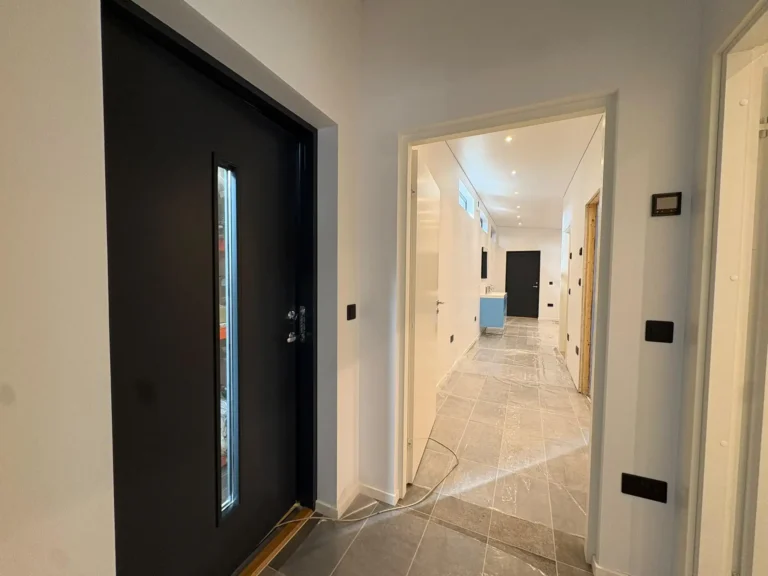
BER A-Rated Modular Homes: What It Means for Comfort, Bills, and Finance
Short answer: what is a BER A-rated modular home?
A BER (Building Energy Rating) A-rated modular home is a highly energy-efficient dwelling with very low energy demand. Ratings range from A1 (most efficient) to G (least efficient). A-rated homes typically feature:
- High levels of insulation
- Excellent airtightness
- Efficient heating systems (often heat pumps)
- Good ventilation and thermal design
For buyers, this means lower bills, better comfort, and stronger long-term value.
Why aim for an A-rated modular home?
Lower energy bills
A-rated homes need far less energy to heat and run than older or lower-rated properties. This is especially important as energy prices fluctuate.
Better indoor comfort
High insulation and airtightness reduce:
- Cold spots and drafts
- Heat loss through walls, floors, and roof
- Noise from outside
The result is a more consistent, comfortable indoor environment.
Higher resale appeal
As energy costs rise and regulations tighten, A-rated homes are increasingly attractive to buyers. They’re seen as:
- Future-proof
- Cheaper to run
- Aligned with climate and sustainability goals How modular homes achieve high BER ratings
Modular Home Ireland’s factory-led construction approach is well-suited to high energy performance because:
- Components are built in controlled factory conditions
- Insulation and airtightness can be precisely installed
- Thermal bridges are minimised through careful design
- High-spec windows and doors are standard in many systems Modular Homes Ireland – 2026 Blog Collection
Combined with efficient heating (e.g., air-to-water heat pumps) and good ventilation, this makes A-ratings achievable without extreme cost.
Impact on running costs
While exact figures depend on size, usage, and tariffs, an A-rated modular home can:
- Reduce annual heating costs significantly compared to a C- or D-rated home
- Lower hot water costs through efficient systems and insulation
- Decrease overall energy demand, making it easier to integrate renewables (e.g., solar PV) Over the life of the home, these savings can be substantial.
Finance and mortgage considerations
Some lenders and schemes look favourably on:
- High BER ratings (A or B)
- Modern, low-energy homes with low running costs Benefits can include:
- Better mortgage rates or “green” mortgage products
- Stronger borrowing capacity in some cases
- Alignment with government incentives for energy-efficient housing Always check current offers with your lender or broker.
Is an A-rated home worth the extra cost?
In many cases, yes. While an A-rated spec may cost slightly more upfront than a lower-rated one, the combination of:
- Lower ongoing bills
- Better comfort
- Stronger long-term value
Often outweighs the initial difference. For long-term owners, the payback can be clear within a few years.
FAQs: BER A-rated modular homes
What BER rating do new homes need in Ireland?
Current regulations require new dwellings to meet high energy standards, often targeting A2 or better in practice. Many modular suppliers design to A1/A2 as standard.
Does BER affect property value?
Increasingly, yes. Buyers and agents pay more attention to BER as energy costs rise. A-rated homes can command a premium and sell faster than lower-rated equivalents.
Can I upgrade an existing home to A-rated?
It’s possible but often expensive. Upgrading insulation, windows, heating, and airtightness in an existing home can be more disruptive and costly than building a new A-rated modular home from scratch.
Next steps
Modular Homes Ireland – 2026 Blog Collection
If you’d like to understand what an A-rated spec looks like for your project and how it affects cost and comfort, we can outline options tailored to your budget and needs.