Modular Home vs Extension: Which Is
Better for Irish Homeowners?
Short answer: extension or modular home?
- Choose an extension if you mainly need a bit more space in your current home and your existing layout works well.
- Choose a modular home if you need a separate, modern dwelling (for family, rental, or multigenerational living) or your current house is not suitable for extension.
Both options can add value, but they serve different needs.
When an extension makes sense
Extensions are often the right choice if:
- You love your location and don’t want to move
- You only need one or two extra rooms (e.g., kitchen, bedroom, office)
- Your existing house is in good condition and has a workable layout
- You have space to extend without major planning or structural issues
Extensions are ideal for improving flow, adding light, or creating a larger kitchen-dining area.
When a modular home makes more sense
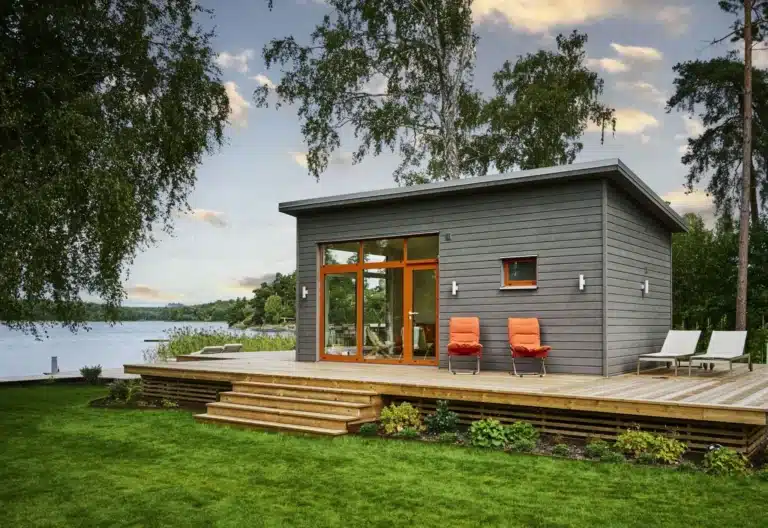
A separate modular home can be better if:
- Your current house is too small or poorly laid out to extend effectively
- You want a self-contained space for family members, rental income, or multigenerational living
- You’re on a site with room for a second dwelling
- You want a modern, energy-efficient home from the start
Modular Home Ireland’s modular approach is particularly attractive where privacy, independence, or a clear separation of spaces is important.
Cost comparison: extension vs modular home
Extensions
- Often cheaper for small additions (e.g., a single room or small kitchen extension)
- Costs can rise quickly with structural changes, new roofs, and complex services
- You may need to temporarily relocate parts of your living space during construction
Modular homes
- More predictable pricing for a complete new dwelling
- You pay for a full, finished home with modern standards
- Can be more cost-effective than a large, complex extension that reconfigures the whole house Modular Homes Ireland – 2026 Blog Collection
Speed and disruption
Extensions
- Work happens around your daily life
- Dust, noise, and limited access to parts of the house are common
- Timelines can stretch due to weather, unforeseen structural issues, or delays
Modular homes
- Much of the work happens off-site in a factory
- Onsite time is shorter and more focused
- Less disruption to your daily routine, especially if the new home is separate
Planning and regulations
Both options usually need planning permission if they create new habitable space. Key differences:
- Extensions must comply with rules on size, height, and impact on Some small extensions may be exempt.
- Modular homes must meet full dwelling standards (BER, fire safety, ) and are treated as separate houses in planning terms.
Resale and long-term value
Extensions
- Add value to your existing home
- Can make the property more attractive to families or those needing extra space
- May not suit all buyers if the layout becomes awkward or overly complex
Modular homes
- Create a separate asset that can be used, rented, or potentially sold independently (subject to planning)
- Appeal to buyers looking for modern, low-energy homes
- Can provide income potential or accommodation for family while retaining flexibility
Which should you choose?
Ask yourself:
- Do I need a bit more space, or a completely separate home?
- Is my current house layout fundamentally workable?
- Do I value independence for myself or family members?
- What’s my budget and timeline?
If you mainly need extra space in your current home, an extension is often best. If you need a separate, modern dwelling or your current house is not suitable for extension, a modular home is likely the better long-term solution.
FAQs: modular home vs extension
Is an extension always cheaper than a modular home?
No. For small additions, extensions are often cheaper. For large, complex extensions that reconfigure most of the house, a modular home can be more cost-effective.
Modular Homes Ireland – 2026 Blog Collection
Can I rent out a modular home in my garden?
Potentially, yes, but it depends on planning permission and local policies. Some councils allow secondary dwellings for family or rental; others are more restrictive.
How long does each option take?
- Extensions: often 3-9 months, depending on size and
- Modular homes: typically 4-8 months from design to move-in for straightforward
Next steps
If you’re unsure which option suits your site and goals, we can review your property, discuss your needs, and outline the pros and cons of each approach for your situation.